
Bitcoin is no longer a fringe asset. Presidents, banks, asset managers, and billionaires are not just talking about it — they’re investing. What’s more, many of them were once vocal critics. Here’s how the narrative has shifted and where Bitcoin could go next.
🇺🇸 United States: A 180° Turn Toward Crypto
🟠 Donald Trump (Current U.S. President)
- In 2019: “Bitcoin is not money.”
- In 2025: “The U.S. must lead in cryptocurrency innovation.”
- Accepts crypto donations and supports lowering taxes on crypto trading.
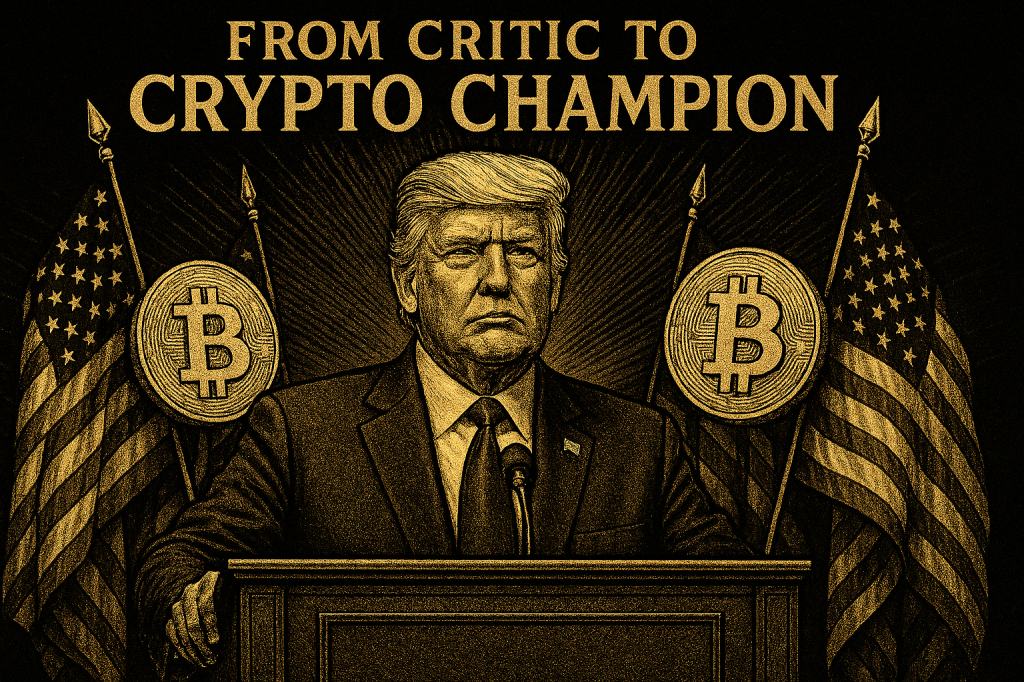
✅ A complete shift from rejection to full support. Under his leadership, the U.S. may become the global crypto hub.
🟢 Brian Armstrong (CEO of Coinbase)
- Leading the push for fair and clear crypto regulation.
- Coinbase partners with BlackRock, Google, and others to serve institutional clients.
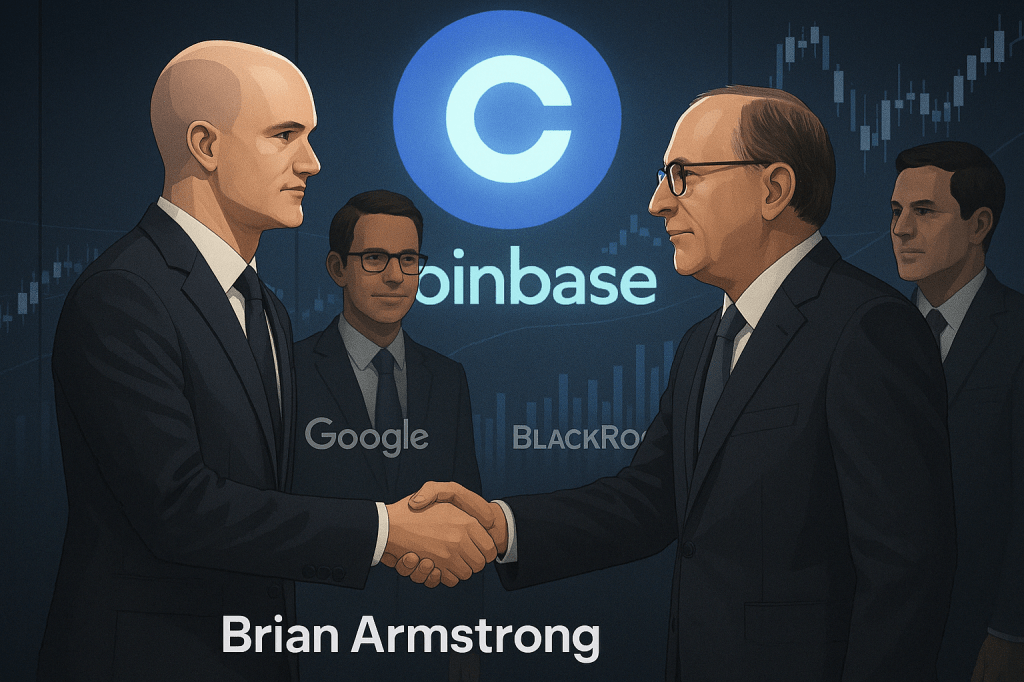
✅ Armstrong is a face of the crypto industry and plays a key role in bringing Bitcoin into the institutional mainstream.
💼 Larry Fink (CEO of BlackRock)
- In 2017: Called Bitcoin a tool for money laundering.
- Now: Describes it as a “global digital asset,” launched a spot Bitcoin ETF via BlackRock.

✅ Today, BlackRock manages billions in BTC — and Larry’s public support is shifting the mindset of traditional finance.
🔵 Michael Saylor (Co-founder, MicroStrategy)
- Holds over 200,000 BTC as of 2025.
- “Bitcoin is digital property immune to inflation.”

✅ His corporate strategy is now a model being copied by many other public companies.
💬 Jamie Dimon (CEO, JPMorgan)
- In 2017: “Bitcoin is a fraud.”
- Now: JPMorgan has launched JPM Coin, blockchain services, and crypto custody offerings.

✅ Even personal skeptics can’t ignore the market anymore — JPMorgan has integrated crypto into its core operations.
🇪🇺 Europe: Regulation Meets Integration
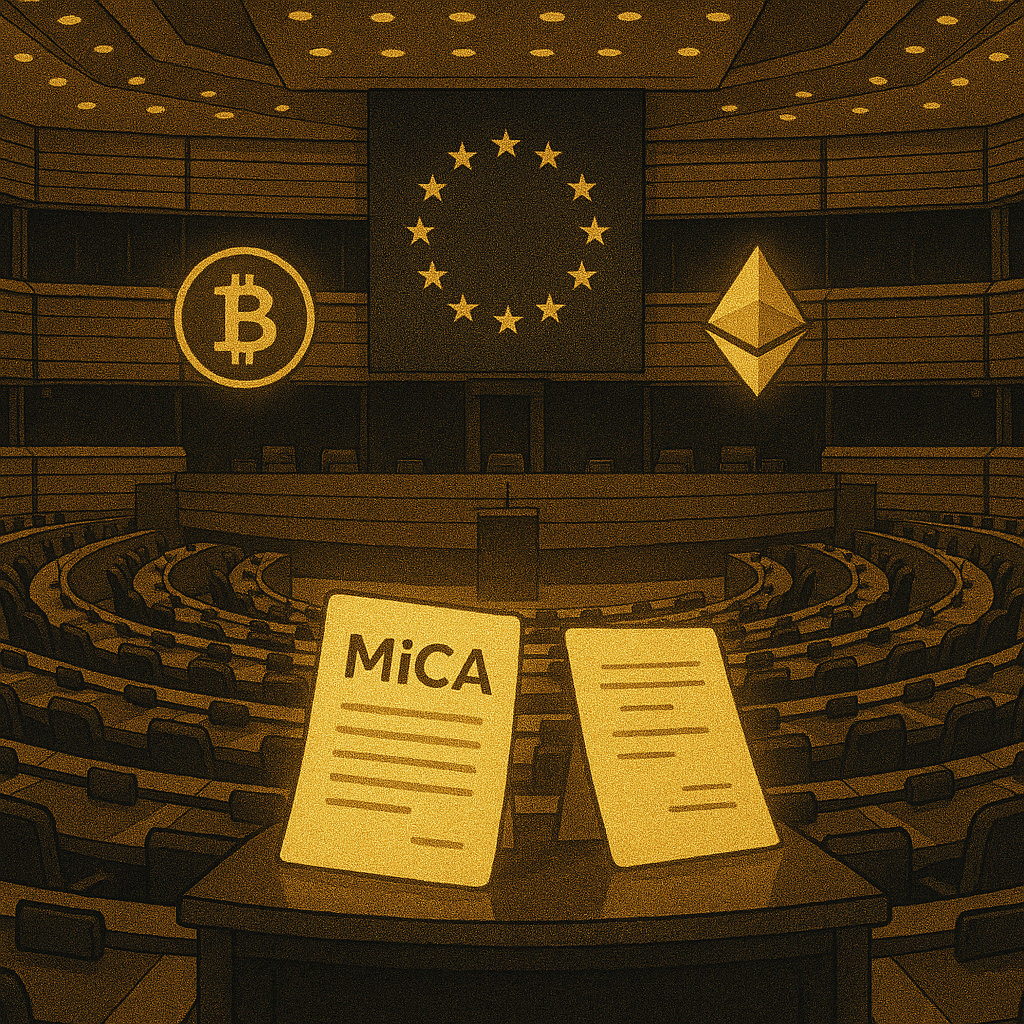
🏛️ EU and MiCA Framework
- The MiCA regulation (active since 2024) provides a unified legal framework for crypto across Europe.
- Projects now have legal clarity, enabling capital inflows and institutional adoption.
🏦 European Banks Embrace Blockchain
- Deutsche Bank, Société Générale, ING, Santander are testing crypto custody and DeFi services.
- These banks now offer blockchain-based products, signaling adoption from within.

✅ Europe is not fighting crypto — it’s integrating it, legally and technologically.
🧠 From Skeptics to Believers: Who Flipped?
| Name | Then | Now |
|---|---|---|
| Donald Trump | “Bitcoin is not money” (2019) | Accepts crypto, promotes innovation (2025) |
| Larry Fink | Called BTC money-laundering tool (2017) | Created Bitcoin ETF, calls it “global digital asset” |
| Jamie Dimon | “Bitcoin is a fraud” (2017) | JPMorgan offers crypto services |
| Kevin O’Leary | “Crypto crap” (2019) | 30% of his portfolio is now in crypto & DeFi |
| SEC (Gensler) | Delayed BTC ETF approvals | Approved spot ETFs in 2024 |

🔮 Forecast for 2025–2030:
| Driver | Potential Impact |
|---|---|
| Bitcoin ETFs (BlackRock, Fidelity) | 📈 Institutional capital influx |
| Pro-crypto U.S. administration | 🚀 Regulatory clarity and growth |
| Bank integrations in EU and U.S. | 🔗 BTC seen as a trusted digital asset |
| Rising inflation & distrust in fiat | 🛡 Bitcoin as digital gold hedge |
💬 Final Outlook:
When presidents, banks, and billionaires shift from mocking Bitcoin to buying it — that’s not a trend. That’s a transformation.
📊 With global ETF access, institutional demand, and banking integration, Bitcoin could realistically reach $750,000 to $1,500,000 by 2030.
Not a bubble — a revaluation of a new global reserve asset.




 George Zimmerman's News Feed
Leave a comment